

Good preparation does not mean making every technical decision in advance. A few accurate details and clear references help the salon plan time, consultation and service appropriately.
Describe the goal in your own words
Start with what should change in daily life: less effort, more movement, another colour or simply neater outlines. This desired effect is often more useful than the name of a technique.
Choose two or three references and identify the important detail in each. Images of what you do not want can also prevent words such as warm, short or natural from being interpreted differently.
Bring the complete history
Mention previous dye, bleach, plant colour, smoothing, extensions and relevant home treatments. Older processes may remain through the lengths and influence technical options.
For correction, current daylight photographs from several angles are useful. Edited images and filters are less reliable colour references because they change brightness and tone.
Coordinate washing and products
For many appointments, normally clean and detangled hair is a useful starting point, but individual services have different requirements. Ask in advance about updos, scalp concerns or technical treatments.
Unless instructed otherwise, avoid heavy oil, dry shampoo or opaque root products shortly before the visit. These layers may make direct assessment more difficult.
Allow time and prepare questions
Arrive with a small buffer and avoid a tight commitment after extensive colour or extensions. Starting condition and processing can affect timing even when the schedule is carefully planned.
Note questions about care, wear, styling and follow-up. Transparent advice may identify limitations and divide a goal into several sensible steps.
State one main goal and two priorities
Clear wishes leave room for professional adaptation
Begin with the change that matters most: a more manageable shape, less visible regrowth, brighter face framing or additional fullness. Add up to two practical priorities, such as keeping enough length to tie back or limiting daily styling time. This helps the consultation make sensible trade-offs when not every reference detail suits the starting point.
You do not need to know the technical service name. Describe the problem and desired feeling in ordinary language. The salon can then determine whether a cut, colour, care, consultation or combined appointment is appropriate.
Bring a complete colour history
Treatments from long ago can still be present in the lengths
List permanent and semi-permanent colour, home dye, plant-based products, bleach, toners and chemical straightening, with approximate dates where possible. If you do not know the product, say what you remember rather than guessing. Natural-looking lengths may still contain old artificial pigment.
This history affects lightening, correction and sometimes extension suitability. It does not guarantee a particular result, but it helps avoid unsafe assumptions. For major change, the salon may recommend a strand test or staged plan.
Select reference pictures carefully
A few explained images are better than a contradictory collection
Choose one to three images and identify the specific detail you like in each: the length, outline, contrast, tone or texture. Include a picture closer to your natural hair type if possible. Avoid relying on filtered colour or a single view that hides the cut.
Also say what you do not want. The purpose of the pictures is to create shared language, not to promise an identical result. Your structure, density, history and daily routine remain the basis for adaptation.
Organise time, clothing and company
A calm setting supports concentration
Allow the confirmed appointment length plus a buffer, particularly for colour, extensions or event styling. Wear clothing that does not interfere with the planned neckline or finished hair and bring glasses or accessories that affect the outline. Follow any specific washing instructions given by the salon.
A trusted companion can be helpful for a wig consultation or a child’s appointment, but too many opinions can make decisions harder. Mention accessibility, sensitivity or scheduling needs in advance so that they can be considered rather than improvised.
Write down aftercare and the next step
The appointment does not end with the first photograph
Before leaving, make sure you understand washing, drying, product quantity and anything that should be avoided. For extensions or wigs, record the method-specific care and check schedule. For colour, ask how tone and regrowth are expected to develop.
Take an unfiltered photograph in ordinary light and note how the result behaves at home. Specific feedback about styling, comfort and colour development improves the next appointment. Book a follow-up only once the salon has confirmed the suitable interval.
Frequently asked questions
Should I arrive with freshly washed hair?
Normally clean hair suits many services, but requirements differ. Ask when booking for instructions specific to your appointment.
How many reference images are useful?
A few clear images are better than a large contradictory collection. Explain which detail matters in each one.
Why should I mention old colour treatments?
Pigments and chemical changes may remain in the lengths. This affects product choice, timing, tests and realistic stages.
Should I arrive with freshly washed hair?
Follow the instructions for your particular service. Clean, normally worn hair is often useful for assessment, but some colour, styling or extension appointments have specific preparation requirements.
How many reference pictures are useful?
Usually one to three clear images with an explanation of the relevant detail are more useful than a large, contradictory collection.
Continue reading in the journal
Keep reading, at your own pace.
Four selected guides that explore related questions.
-

Requesting a hair appointment online: when is it confirmed?
An online request or a confirmed booking? Learn how appointment requests work at Haarstudio Style, from contact details to your personal confirmation.
Read article -

A child’s first haircut: calm, age-appropriate preparation
A respectful guide for parents covering timing, language, breaks and realistic expectations for a first salon visit.
Read article -
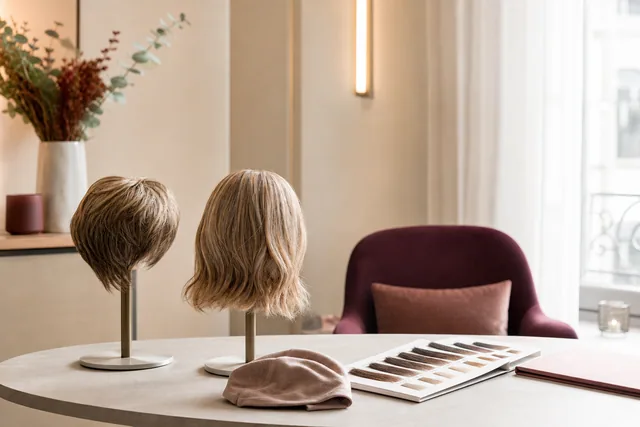
Wig consultation in Carinthia: private and well prepared
A sensitive guide to appointments, fit, materials, personalisation and caring for a wig.
Read article -

Understanding hairdressing prices: which services belong together?
Combine cutting, colour, care and styling sensibly: understand hairdressing prices and plan your visit to Haarstudio Style in Klagenfurt with confidence.
Read article