
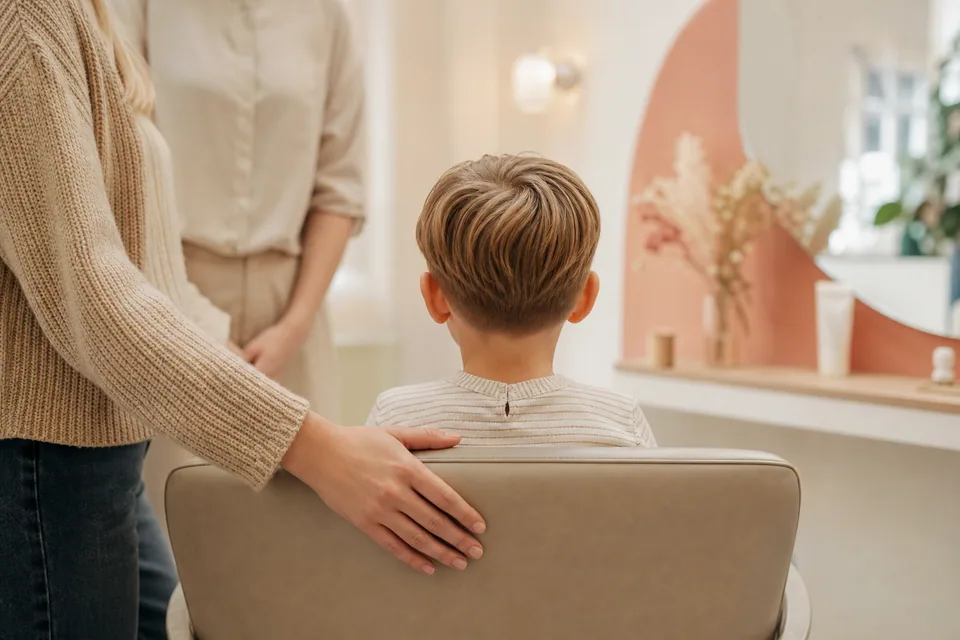
A first haircut feels different to every child: some are curious while others need distance and time. Calm preparation, a trusted adult and a flexible process matter more than a perfect photograph of the occasion.
Choose a suitable time
Book for a time when the child is usually awake, fed and settled. An appointment without immediate commitments before or after allows space to become familiar with the salon first.
When booking, share age, previous experiences and any sensory needs. This helps the team prepare timing, seating and process without labelling the child.
Explain it in simple words
Describe that the hair may be combed, dampened and shortened with scissors or clippers. Avoid promises such as “you will not feel anything”, because sound and touch can still be unfamiliar.
A picture book, a brief look at the salon or watching a trusted person can make the sequence easier to understand. Keep the explanation simple and honest, repeating it without pressure.
Create safety during the visit
A trusted adult can offer closeness and orientation while keeping the working area safe. Short breaks, another seat or beginning with only a few snips may help when the child becomes unsettled.
Refusal and clear distress deserve respect. A smaller goal or another attempt on a different day may be more appropriate than forcing a complete haircut.
Choose a practical shape
The first cut should suit natural growth and the family’s care routine. Ask for a shape that is gentle to comb and comfortable without complicated styling.
Afterwards, praise small steps such as sitting, asking a question or taking a break rather than focusing only on appearance. This connects the experience with autonomy and learning instead of performance pressure.
Explain the visit in simple words
Preparation should create security, not performance pressure
Tell the child that a hairdresser will look at and shorten the hair while a trusted adult stays nearby. Use neutral language and avoid warnings about having to sit perfectly still. A short picture book, a visit past the salon or practising a cape with a towel at home can make the setting more familiar.
Large promised rewards can make the appointment seem like something difficult to endure. Bring a small familiar object if helpful and keep the plan calm. The goal is a safe, respectful experience, not proving that the child can complete every step on the first attempt.
Choose a suitable time
Rested and fed matters more than a symbolic date
Book when the child is usually alert and not immediately before a meal or nap. Avoid squeezing the first haircut between other commitments. A little extra time allows the child to look around and makes a pause possible when the workflow and safety permit.
Tell the salon the child’s age, approximate length and any known sensitivities when requesting the appointment. A special birthday or family event can be a reason to plan, but it should not create pressure to finish a style regardless of the child’s state.
Take sounds and touch into account
Scissors, water and hairdryers are experienced differently
Some children are comfortable with the cape but dislike spray water; others react to loose hairs, a clipper sound or airflow. We announce the next action in clear, short language and can adapt the order where practical. An accompanying adult can explain familiar preferences without speaking over the child.
Not every appointment must include washing, clippers or a full blow-dry. The process follows the service, hair and child’s comfort while maintaining safety. If a tool cannot be used safely, we choose another approach or stop rather than forcing it.
Stay calm during the cut
A small number of clear reference people makes communication easier
One accompanying adult usually provides a calmer focus than several people giving instructions. Keep your voice normal and allow the stylist to lead the immediate steps. Sudden attempts to hold or distract the child can create movement at the wrong moment, so any support should be agreed.
A tablet or book may help some children, while others sit better when they can watch. There is no moral value attached to either choice. Safety around scissors comes first, and a complete haircut is never more important than stopping when controlled work is no longer possible.
Finish without judging the child
Courage is not measured by perfectly still sitting
Describe what happened positively and factually: the child met the hairdresser, wore the cape or allowed part of the hair to be cut. Avoid labelling tears or needing a break as failure. A respectful ending makes a later visit easier even if the original plan was shortened.
At home, keep the routine simple and practical. Ask the salon how to comb or dry the new shape and when a follow-up may be useful. If one area could not be completed safely, arrange the next step rather than attempting a hurried correction yourself.
Frequently asked questions
At what age should a child have the first haircut?
There is no fixed age. Hair in the eyes, tangling, heat or easier care may be reasons; the child’s need and readiness matter.
May my child sit on my lap?
It depends on safety, the haircut and salon process. Mention it when booking so a suitable seating option can be considered.
What if my child does not want to continue?
A break, a smaller goal or a new appointment are reasonable options. Clear distress should not be ignored simply to complete the haircut.
What happens if my child does not want to finish the haircut?
Safety comes first. We can pause, simplify the plan or stop and arrange a better-prepared follow-up rather than completing the cut at any cost.
Should a child practise at home beforehand?
Gentle familiarisation can help: looking at a cape, hearing a quiet dryer or reading a book about haircuts. Do not practise with real scissors or create pressure to perform.
Continue reading in the journal
Keep reading, at your own pace.
Four selected guides that explore related questions.
-
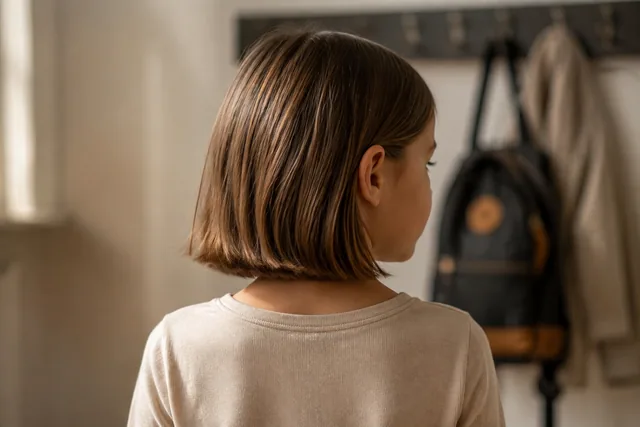
Children’s haircuts for school: managing the style independently
A child’s haircut should work for learning, play and sport. Plan the length, fringe and care routine together with your child at our salon in Klagenfurt.
Read article -
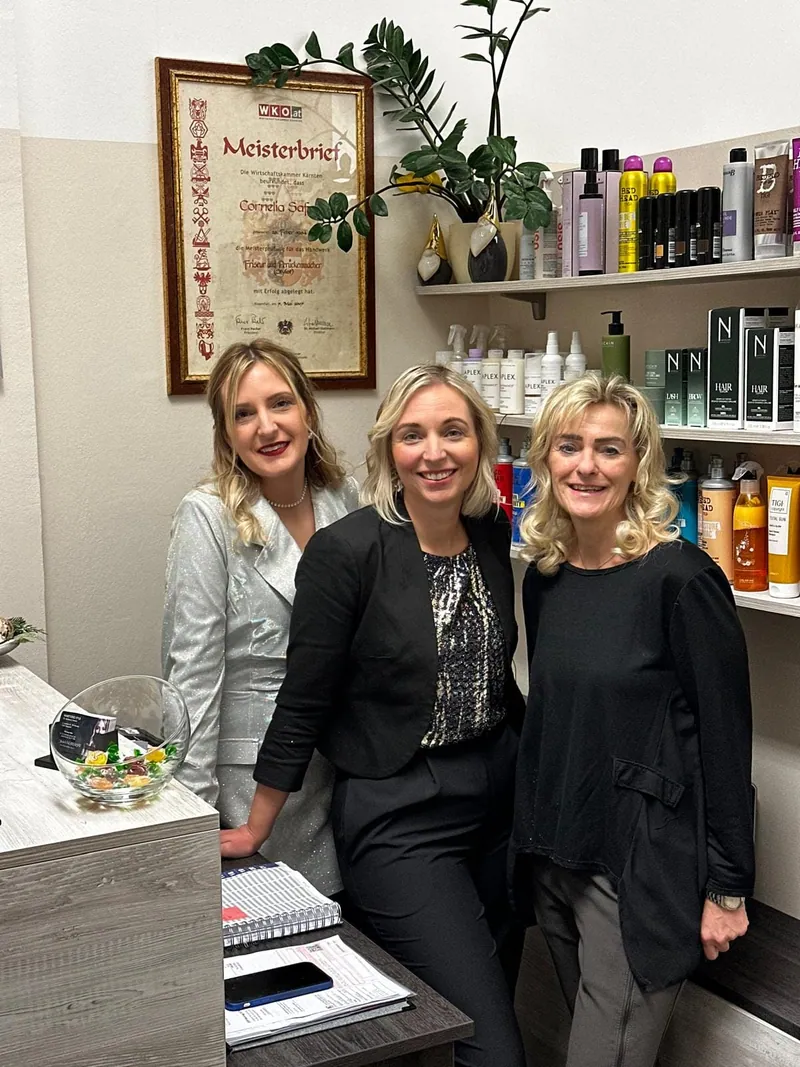
Your first visit to Haarstudio Style: questions and expectations
Visiting Haarstudio Style in Klagenfurt for the first time? Prepare your wishes, hair history and questions for a clear, personal consultation.
Read article -
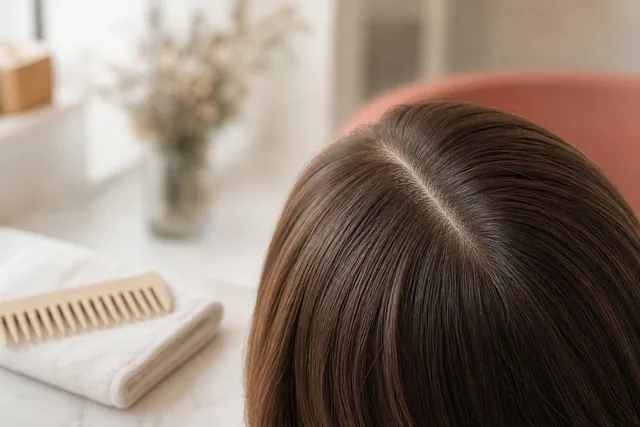
How to wash your hair properly: a routine for scalp and lengths
Detailed salon guidance on wash frequency, shampoo, conditioner, rinsing, drying and keeping your product selection manageable.
Read article -
How often should you cut your hair? Useful intervals by style and goal
A nuanced guide to cutting intervals for short hair, bobs, long hair, curls, fringes and growing-out styles without a rigid calendar rule.
Read article