

There is no single correct number for the perfect cutting interval. Growth, shape, hair condition, curl pattern and personal preference all influence when an appointment becomes useful. Instead of automatically removing length every six or eight weeks, identify the function of the next cut: maintaining an outline, tidying ends or building a new shape.
Hair growth is individual
Calendar values are guidance, not a personal measurement
Average figures do not tell you exactly how quickly your fringe crosses the eyes or your nape loses shape. Growth can also appear different depending on curl, density and colour contrast. Use the calendar as a reminder to assess the haircut, not as proof that a fixed amount must be removed.
Take occasional unfiltered photographs in a similar position and notice when styling becomes harder. Your own pattern over several appointments provides more useful guidance than a universal online rule.
Short cuts and precise outlines
The clearer the line, the sooner regrowth becomes visible
Very short sides, a crisp nape or a defined fade can change noticeably with a small amount of growth. A softer scissor cut may remain balanced longer because the transition is less exact. The right interval depends on how polished you want the outline to remain.
A maintenance visit does not always need to repeat the complete original restyle. We assess which areas have changed and preserve length where the shape still works. Mention beard outlines separately so that enough time is reserved.
Bobs and medium lengths
The edge, nape and weight distribution change together
A compact bob can begin to sit on the shoulders, turn outward or feel heavy at the nape as it grows. Layered medium hair may lose movement in different areas. The point for a cut is reached when the intended relationship between line and weight no longer works for you.
If you are growing the bob longer, say so. The service can then refine the nape and ends without repeatedly returning the whole shape to its original length. Planned intermediate forms make growing out more comfortable.
Long hair and ends
Little visible shape loss does not mean that cutting is never useful
Long hair may keep its overall silhouette while the ends become thin, tangled or uneven. Inspect how easily they detangle and whether breakage or splitting is travelling upward. Care can improve slip, but it cannot permanently fuse split ends.
The useful trim removes what is needed for a clearer edge while respecting the length goal. A transparent discussion about centimetres and shape is more helpful than automatically taking the same amount every visit.
Curls and textured cuts
Loss of shape appears in volume and curl grouping
Curly hair may show growth through a flatter crown, a wider lower outline or sections that no longer sit with neighbouring curls. Shrinkage means the visible change is not measured reliably by pulling one strand straight.
Bring the hair in the agreed condition and explain how it behaves across the wash cycle. The next cut is timed according to shape and handling, not the assumption that every curl pattern needs the same method or interval.
Fringes and face framing
Small sections can follow their own rhythm
A fringe may interfere with vision or lose its opening long before the rest of the haircut needs attention. A dedicated fringe trim can maintain the front while preserving overall length. Curtain bangs may allow a longer interval because they can blend into the sides.
Avoid cutting the fringe under tension at home. Cowlicks, shrinkage and the connection to the sides affect the final length. If you want to grow it out, an intermediate face-framing plan can keep the transition intentional.
Agree the next goal at the appointment
A check is better than an automatic subscription
Ask which part of the cut is likely to change first and what signs to watch for. The stylist can suggest a range based on the current shape, but you remain free to book when that change becomes relevant to you.
At the next visit, describe what was easy and where styling stopped working. This feedback refines both the cut and future interval. The purpose is to maintain or develop the chosen shape, not to meet a calendar rule.
Frequently asked questions
Must ends be trimmed every six weeks?
No. The useful interval depends on shape, condition, length goal and handling. Six weeks may suit a precise style but is not a universal requirement.
How often does a fringe need trimming?
It depends on its length, growth, cowlicks and whether it must stay clear of the eyes. It can have a separate interval from the rest of the haircut.
Does frequent cutting make hair grow faster?
No. Cutting changes the ends and shape, not the biological growth rate at the scalp. It can make the outline look fuller and more controlled.
Can I avoid all cuts while growing my hair?
You can choose longer intervals, but occasional shaping or removal of weak ends may make the growing-out process easier. The amount should reflect your goal.
Continue reading in the journal
Keep reading, at your own pace.
Four selected guides that explore related questions.
-

Growing out short hair: keep a shape through the transition
Growing out short hair? Plan the nape, sides and top deliberately, with practical transitional styling and individual haircut advice in Klagenfurt.
Read article -

Children’s haircuts for school: managing the style independently
A child’s haircut should work for learning, play and sport. Plan the length, fringe and care routine together with your child at our salon in Klagenfurt.
Read article -
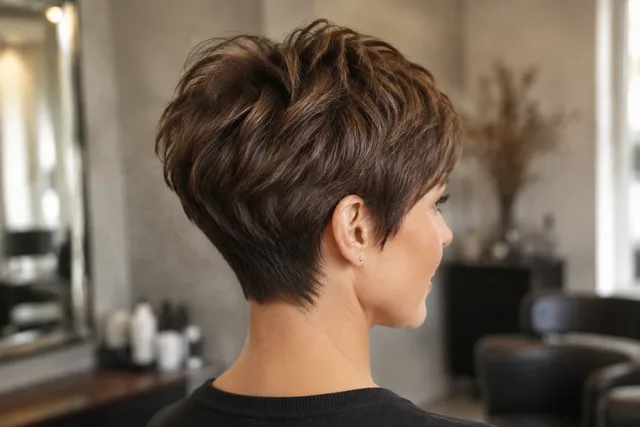
The pixie cut: short hair that fits your everyday life
Planning a pixie in Klagenfurt? Explore the outline, top length and styling routine that suit you before taking the step towards a short haircut.
Read article -

Curtain bangs in Klagenfurt: cutting, styling and growing out
How to adapt curtain bangs to texture, parting and daily life, including styling, care and sensible trim planning.
Read article