
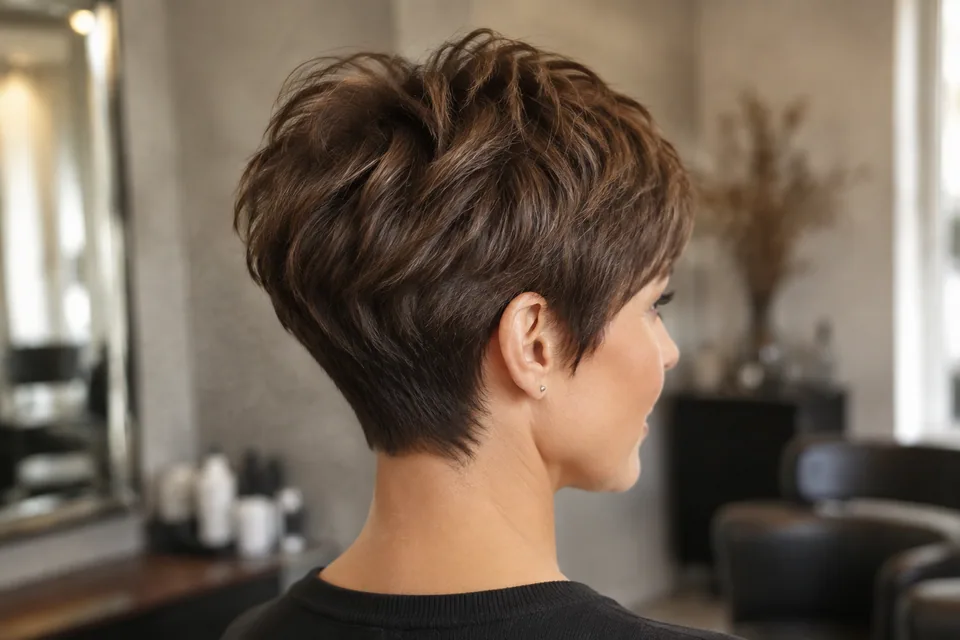
A pixie reveals more of your face, ears and nape. That is part of its appeal: small changes to the outline, parting or hair on top can noticeably alter its expression. “Very short” is therefore not a complete description for your appointment. If you want a pixie, consider which areas can be cropped, where you want movement and how much attention the new shape can receive each morning.
Several decisions, not just one haircut
In a photograph, overall length often catches your eye first. However, proportions determine the finished effect. A short nape with longer hair on top can look soft, with natural movement; an evenly compact shape emphasises different lines. The sections in front of the ears and around the forehead also matter. They deserve individual attention in the consultation, rather than simply choosing between an “edgy” and a “soft” pixie.
Choose two examples that differ in one detail: an exposed ear versus a longer side section, for instance, or a short fringe versus a side-swept front. Explain what you like about them. A clear boundary also helps: “I am happy to show my nape, but I do not want my forehead completely exposed.” This provides a practical starting point without expecting someone else’s photograph to transfer directly to your hair.
Cowlicks and density define the possibilities
With short hair, a small change in length can affect whether a section falls or sticks out. A cowlick at the crown does not disappear because it is cut shorter. Sometimes that area needs a little weight; elsewhere, a deliberately close-cropped approach may work. The word pixie alone cannot settle this. Arrive with your usual growth direction visible and show which area regularly causes difficulty at home.
Fine and dense hair also call for different considerations. A large amount of hair may sit heavily in certain areas, while excessive thinning can disturb the smooth surface you want. Fine hair does not automatically look fuller when everything is cut as short as possible. The question is where the outline should remain solid and where movement belongs. An individual consultation helps identify details that support your existing texture.
Include glasses, jewellery and clothing in the plan
A pixie changes how your hair interacts with things you wear daily. Spectacle arms can lift a side section, larger earrings become more visible, and a high collar may touch the short nape. Bring your everyday glasses and put them on during the consultation. The shape should not be assessed without your usual accessories. A frequently worn work head covering is also worth mentioning if it affects how your hair sits.
Consider whether you like tucking your hair behind your ears. Enough length must remain in the right place; “short but still tuckable” is not possible with every combination. Demonstrate the movement rather than describing only the result. If you are uncertain, a longer first step may make sense. A deliberately chosen intermediate length is not an indecisive choice: it leaves room to get used to the changed outline.
Be realistic about your morning routine before cutting
Short hair often dries faster than long lengths, but it is not automatically ready when you wake up. A flattened front or cowlick may need targeted dampening and reshaping. If you never want to blow-dry in the morning, say so beforehand. A reference with considerable height, a smooth finish or a strong direction may require work that the photograph conceals. Wanting low maintenance is a genuine requirement for the cut.
Ask for the finish to be explained through a few practical steps. Which section dries first? Where should the airflow point? Is product spread through your hands or applied only to selected ends? Start with a small amount and add more if needed. Too much wax or cream can leave short sections heavy, sticky or uneven. An understandable technique is more useful than several products whose purpose is unclear.
Balance crisp outlines against longer gaps between cuts
With a pixie, growth around the ears and nape often becomes noticeable sooner than with long hair. That does not mean everyone needs the same maintenance interval. A precise, close outline changes differently from longer hair on top with softer transitions. Ask how you will recognise when another cut would help. The answer should relate to your chosen shape, rather than a universal calendar.
If you prefer longer gaps between visits, read our guide to haircut intervals for different styles and goals. Discuss which changes you are comfortable with between appointments. Perhaps the sides may soften while the front outline remains important. These priorities make a pixie easier to plan over time and prevent every small amount of growth from feeling like a haircut that has gone wrong.
Make the first short cut a plan you can evaluate
Before a major change, write down three things: what appeals to you about short hair, what you want to keep, and what must not become more complicated. That might mean partially covering your forehead, managing without a round brush or continuing to wear particular glasses comfortably. Discuss whether colour and cut will change together. Several major changes at once can make it harder to assess the new effect calmly.
At Haarstudio Style, St. Veiter Ring 43 in Klagenfurt, you can discuss a pixie with these specific questions in mind. A consultation considers possibilities and limitations in your existing hair; it is not a promise to reproduce a photograph exactly. By the end, you should understand the planned outline, how to recreate the finish and what development to expect before your next appointment.
Frequently asked questions
Can curly hair be cut into a pixie?
A pixie can also work well with curls. Spring, mixed textures and the desired surface need consideration. Show your natural texture and explain whether you want to wear it or straighten it regularly. A smooth reference photograph alone is not enough.
Do I have to choose very short sides immediately?
No. Longer sides or a softer front can be part of the design. The lengths simply need to work together. Before cutting begins, discuss which areas should initially retain more flexibility.
Can I grow a pixie out later?
Yes, although areas that started at different lengths will not reach the same shape simultaneously. Targeted transitional cuts can help while important length is retained. Consider whether you want a clearly defined short style or a more open-ended development from the outset.
Continue reading in the journal
Keep reading, at your own pace.
Four selected guides that explore related questions.
-

Growing out short hair: keep a shape through the transition
Growing out short hair? Plan the nape, sides and top deliberately, with practical transitional styling and individual haircut advice in Klagenfurt.
Read article -

Hair with glasses: plan your fringe, sides and frames together
Which hairstyle works with your glasses? Coordinate the fringe, sides and frame arms through practical checks and individual haircut advice in Klagenfurt.
Read article -
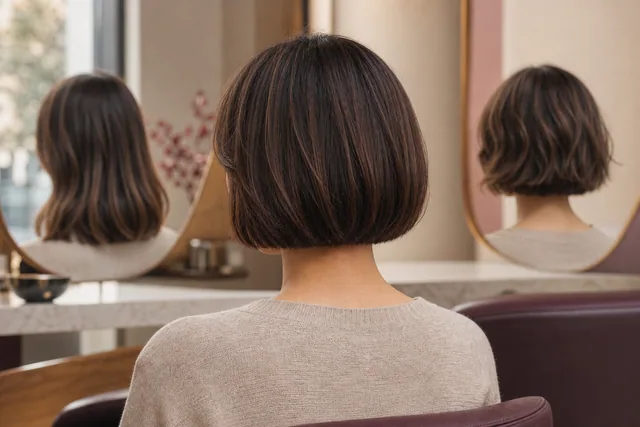
Bob hairstyles: which shape suits your hair and routine?
From chin-length bob to lob: how length, outline, texture, fringe and styling time shape the right choice.
Read article -
How often should you cut your hair? Useful intervals by style and goal
A nuanced guide to cutting intervals for short hair, bobs, long hair, curls, fringes and growing-out styles without a rigid calendar rule.
Read article