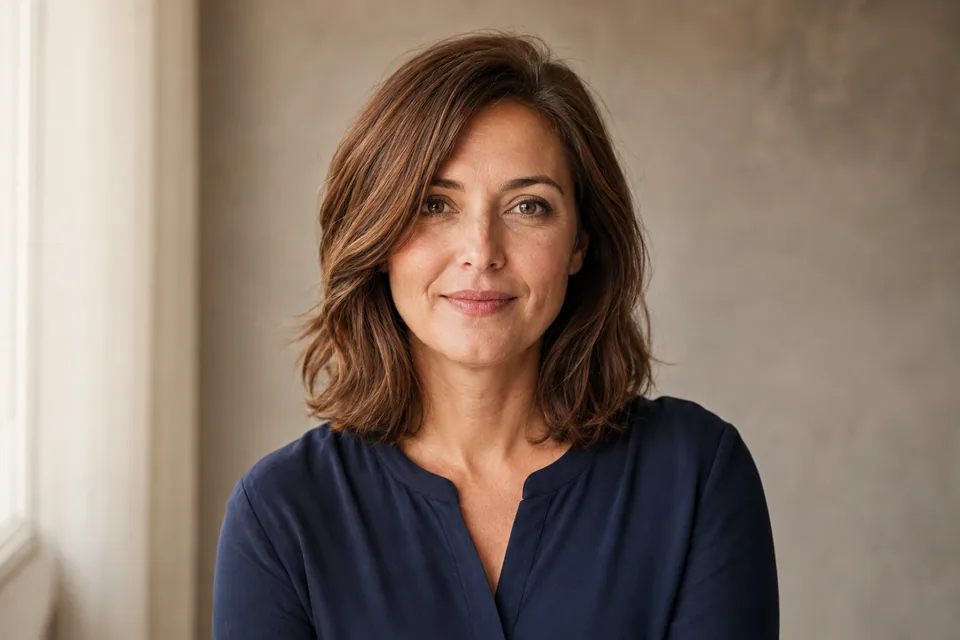
In a job application or business photograph, you want to look attentive and well-presented, but also like the person who will actually arrive for a meeting. That does not require a single standard hairstyle. A useful finish shows your existing shape clearly and remains manageable when you move a little, rather than depending on one perfectly fixed pose.
Stay recognisable rather than playing a role
Start with how you normally wear your hair at work. If it is nearly always curly, it need not be straightened for a photograph. A familiar parting can belong in the portrait too. Looking well-groomed does not mean every natural texture must disappear. The hairstyle should be considered, but still make sense as part of your usual appearance.
Think about a small improvement you would appreciate: calmer face-framing sections, clearer outlines or a shape that works from several angles. You do not need a completely new identity. The picture should support you, rather than create the impression that the photograph and the later face-to-face meeting involve two different people.
Understand where the photograph will be used
A tightly cropped application portrait shows different details from a relaxed team picture or a photograph at work. Ask the photographer about framing and the session. You can then judge whether mainly the face and shoulders or more movement and several perspectives will appear. An elaborate view from behind may have little role in a close portrait.
The intended visual tone matters too. Do you want a calm, formal portrait or a more open presentation in a working setting? Hair can suit either without imitating occupational or gender stereotypes. Explain the effect you personally like. “A little more defined, but still relaxed” provides a useful starting point for planning the finish.
Look at front sections and glasses together
Notice how the front falls with ordinary movement. A section can frame the face without unintentionally sliding directly across an eye each time you turn. Try the parting and drawing one side back. A small adjustment may be enough, without immediately needing a new fringe or substantially shorter sides simply for the photograph.
If you wear glasses, consider your hairstyle and frame shape together. Put on the actual pair intended for the session during styling. The arms, forehead area and side sections can then be coordinated. Whether and how reflections are avoided in the finished image is subsequently part of the photographer’s lighting decisions, rather than a haircutting question.
Coordinate clothing and the hair silhouette
A high collar, blazer or open neckline changes how lengths sit on the shoulders. Try the intended top with your hairstyle beforehand. Drawing one side back may look clearer, or the loose movement may be exactly right. Consider the combination rather than assuming professional photographs work only with hair pulled strictly away from the face.
Think about changing clothes after the salon visit too. Pulling a tight top over your head may disturb a freshly arranged shape. Choose a practical option for the journey and prepare the clothes you need. If several outfits will be photographed, tell the photographer and consider whether the hairstyle suits each without extensive restyling.
Choose a natural feel over maximum product
A photograph does not automatically require more gel, oil or hairspray than any other situation. Too much product may change the desired movement or group strands together more strongly than you like. Start with the shape and add only finishing steps with a clear purpose. The result should still feel like your hairstyle, not merely something prepared for the camera.
Discuss whether you want a calmer surface, more defined curls or added texture. These goals need different movements. Ask how to make a small adjustment at the photography appointment without rebuilding the entire style. You can then correct an individual section yourself if it lies differently after travelling to the studio.
Arrange the cut, colour and photography in a sensible order
A portrait can be a useful reason to refresh your outline. A major cut or colour change should not arise solely from last-minute nerves, however. If you want a substantial change, allow an opportunity to become familiar with it before the photograph. The appropriate lead time depends on the change and your experience of wearing that shape.
A confirmed schedule comes from coordinating with both salon and photographer. Explain when you need to arrive and allow for travel. Do not assume every additional colour or care service can be fitted in spontaneously before the shoot. A clear, manageable scope is more comfortable than making several new decisions under pressure as the appointment approaches.
A small rehearsal makes preferences more specific
Look at the planned hairstyle with your top and glasses in a mirror beforehand. A simple photograph in even light may help reveal the hair’s distribution. It does not replace the professional image, but can show which side you prefer and whether a section covers more of your face than you would like.
Note no more than two desired changes afterwards. A long list of tiny supposed flaws can distract from the overall appearance. Specific observations are more useful: “the fringe falls into my face when I turn” or “I want my curls to show more clearly”. These can be addressed practically without promising unrealistic perfection for every individual strand.
Use a few familiar adjustments on the day
On arrival, check the shape briefly and adjust only what changed during the journey. Bring a suitable comb or familiar tool if it belongs in your routine. The photographer can also assess how the hair lies within the chosen frame. Agree on corrections together rather than constantly switching between two completely different approaches during the session.
At Haarstudio Style in Klagenfurt, you can plan styling that supports your existing shape. Bring the intended glasses, information about the outfit and the schedule. Thoughtful preparation leaves more room to focus on posture and expression at the photo session. Whether the image accompanies an application or appears on a team page, you should remain recognisable in it.
Frequently asked questions
Must curls be straightened for an application photograph?
No. Natural texture can be part of a well-groomed, professional appearance. What matters is a deliberately arranged shape in which you recognise yourself. There is no general requirement for straight hair.
Should I try a completely new cut just before the photograph?
Plan a major change deliberately. It can be more comfortable to become familiar with the new shape first. Discuss the work and schedule rather than squeezing a cut, colour and photography appointment together at short notice.
Continue reading in the journal
Keep reading, at your own pace.
Four selected guides that explore related questions.
-
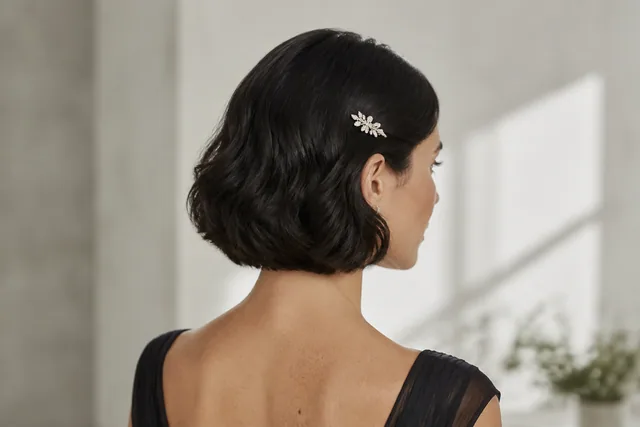
Ball hairstyles for short hair: a special look without long lengths
A pixie, short bob or chin-length hair can look beautifully dressed up. Explore styling ideas, accessories and practical preparation for your ball evening.
Read article -
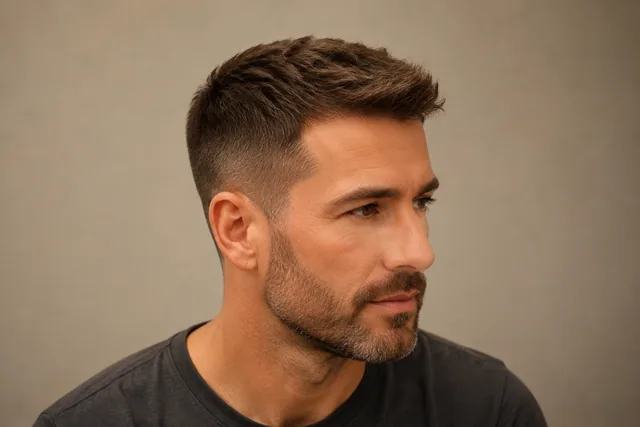
Beard and haircut: plan the outlines as one complete look
Consider beard lines, sideburns and haircut together: proportions, everyday care and clear wishes for your consultation at Haarstudio Style in Klagenfurt.
Read article -
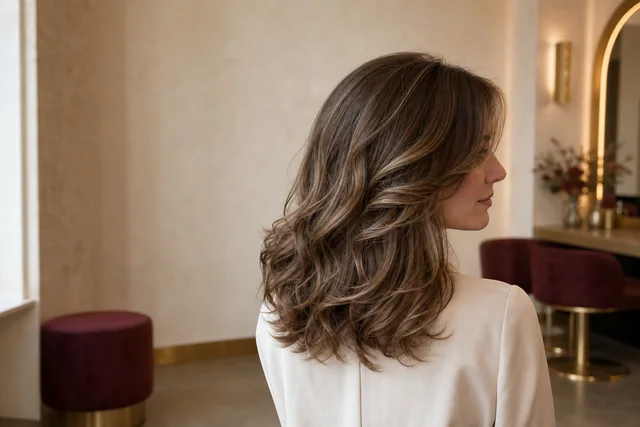
Gentle blow-drying: technique, heat and shape
Salon guidance for controlled blow-drying with heat protection, clear sectioning and practical methods for smooth, fine and curly hair.
Read article -
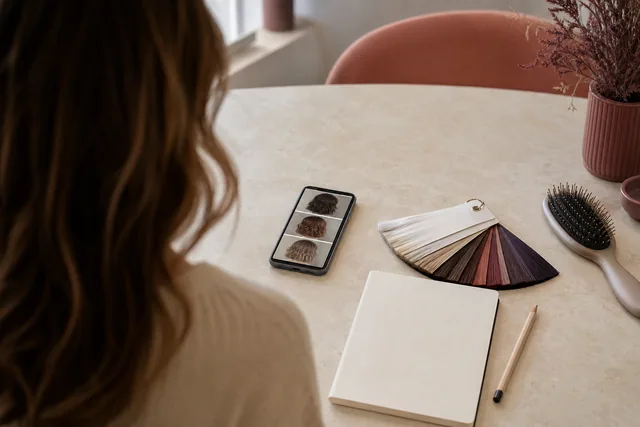
How to prepare for a salon appointment: a practical checklist
Bring your goal, colour history, timing and hair condition clearly into the consultation.
Read article