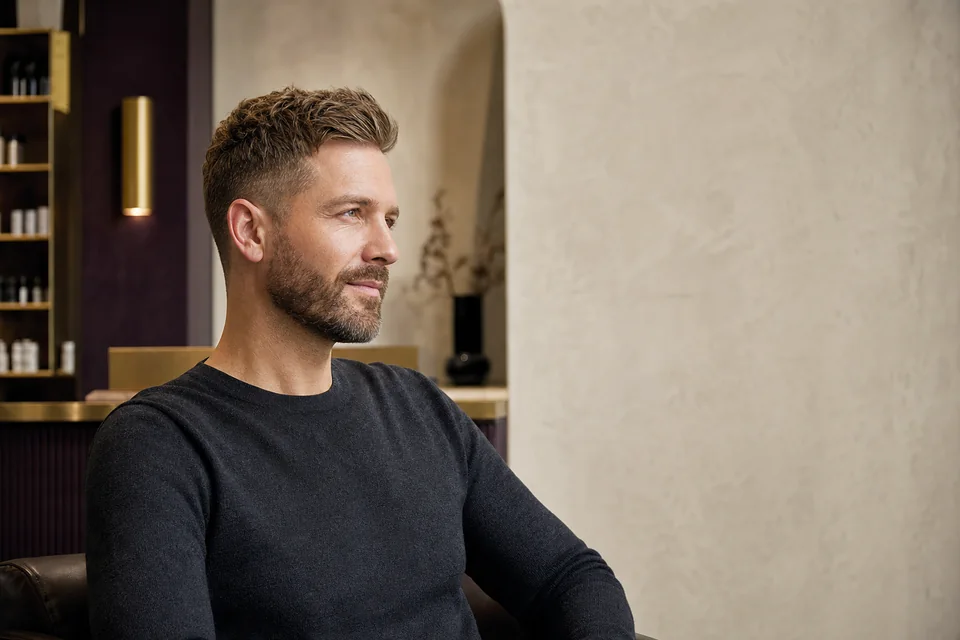
A men’s haircut might mean a small contour adjustment or a substantial change of shape. For appointment planning, that difference matters more than a trend name. When contacting Haarstudio Style in Klagenfurt, describe the cut you want, any additional services such as beard work and your preferred time. This guide helps you explain the scope of the visit and focus the subsequent consultation on your actual routine.
Clarify the starting point
Show which length feels comfortable at the sides, neck and top, and explain where the current cut causes difficulty. Images help, but natural direction and prominent growth patterns must still be considered.
Be open about how often you want maintenance and how much time you actually style each day. This helps decide whether a very sharp short outline or a softer, longer-lasting blend is more practical.
Read growth patterns and proportions
Cowlicks, density, recession and the way the hair lies at the crown affect how a cut behaves. Instead of forcing every area into the same reference shape, we adapt length and weight so that the result works with the natural growth and remains manageable between visits.
Head and facial proportions provide context, but they do not impose a single “correct” haircut. Your preferred style, profession, glasses, beard and comfort with maintenance all matter. A useful consultation combines these factors rather than assigning a look from one feature alone.
Scissors, clippers and blending
Clippers are useful for defined short areas, while scissors can offer more control over movement and texture. The right haircut often uses a considered combination of both.
A fade is not only a length setting; its position and progression define the effect. The height should suit head shape, hair growth and the intended style rather than automatically being as high or tight as possible.
Give longer men’s hair a deliberate shape
Longer styles benefit from controlled weight and a clear outline. We discuss whether the hair is worn loose, tucked back or tied and how much natural movement should remain. Strategic shaping can prevent the style from feeling heavy without creating layers that are difficult to manage.
The drying method influences the result. We can show you how to direct the roots and use a brush or hands according to the texture. A small amount of suitable product can support separation or control, but it should not be expected to compensate for an unsuitable shape.
Outlines and beard as one composition
The neck, temples and areas around the ears strongly influence how polished a short cut appears. Lines are refined to suit the natural hairline without becoming unnecessarily severe.
If you wear a beard, its proportions and connection to the sideburns can be considered. Mention a specific beard service when booking so enough time is allowed for it.
Simple care with a few steps
Many men’s styles need only the right amount of product and a clear drying direction. The useful choice depends on whether you want hold, a matte finish or movement, as well as the thickness of the hair.
Ask to see the application on your own haircut. Excess product or applying it heavily at the roots can make even a well-cut shape feel flat and untidy.
Plan the next visit according to the shape
How often a cut needs refreshing depends on its length, transitions, growth rate and your preference for crisp contours. There is no universal interval. At the appointment, we can explain which parts are likely to lose their intended balance first and suggest a realistic range.
Use the time between visits as feedback. Notice whether the sides become bulky, the crown loses direction or the fringe becomes difficult to style. These specific observations help refine the next cut more effectively than automatically requesting the same measurements.
Frequently asked questions
How often should a men’s haircut be refreshed?
It depends on length, blending and your preference. Very sharp short outlines soften sooner than a longer cut with a more natural finish.
Should I bring a reference image?
Yes, and explain which details matter to you. The stylist can then adapt the shape and length to your growth and routine.
Can the beard be considered during the appointment?
Proportions and transitions can be discussed. If you want a specific beard service, include it when booking so the appointment has enough time.
Which men’s haircut suits my head shape?
Head shape is one consideration, not a formula. Growth pattern, density, preferred length, beard, styling time and the overall effect are assessed together during the consultation.
How do I choose the right styling product?
Start with the result you need – control, texture, hold, matte or shine – and match it to the length and hair type. Use a small amount and build gradually.
Continue reading in the journal
Keep reading, at your own pace.
Four selected guides that explore related questions.
-

Choosing a men’s haircut: contours, texture and transitions
Which contours and transitions suit your haircut? Understand growth patterns, scissors, clippers and styling before a consultation in Klagenfurt.
Read article -
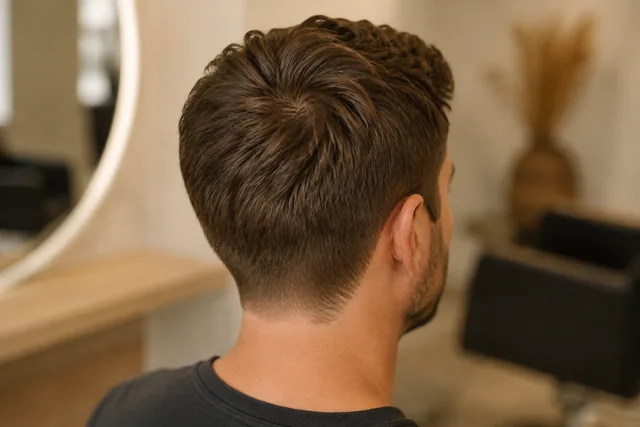
Men’s haircuts with cowlicks: work with the growth direction
A cowlick at the crown or hairline? Discuss suitable lengths, partings and daily styling with this practical men’s haircut guide from Klagenfurt.
Read article -
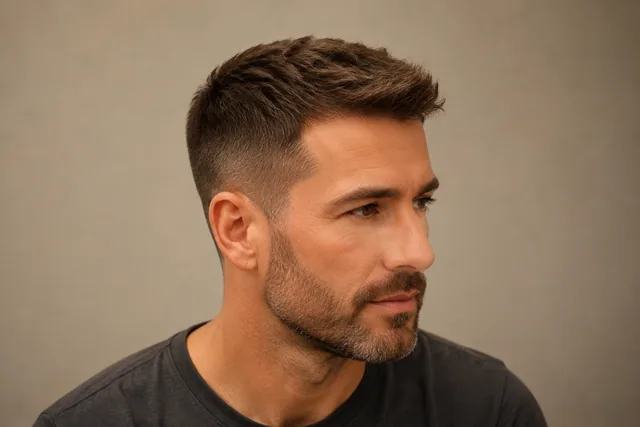
Beard and haircut: plan the outlines as one complete look
Consider beard lines, sideburns and haircut together: proportions, everyday care and clear wishes for your consultation at Haarstudio Style in Klagenfurt.
Read article -
Understanding hairdressing prices: which services belong together?
Combine cutting, colour, care and styling sensibly: understand hairdressing prices and plan your visit to Haarstudio Style in Klagenfurt with confidence.
Read article