
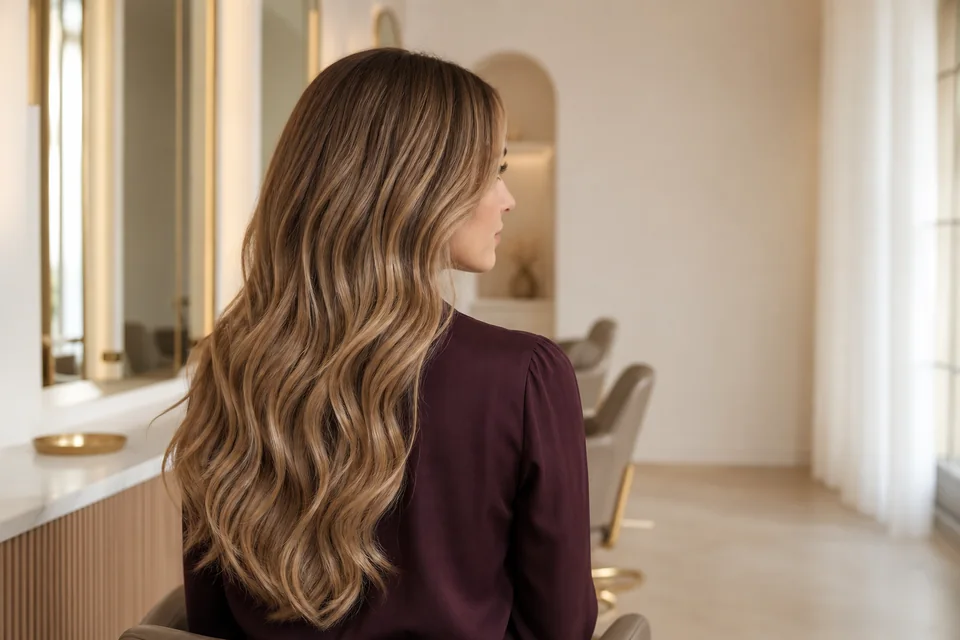
Extensions can add length, fullness or both, but a natural result begins well before application. Your own hair, the goal, everyday habits and willingness to follow the care routine all shape the plan.
Assess the starting point first
Not every head of natural hair provides the same conditions
The consultation considers density, strength, the scalp area and previous chemical treatments. Around the hairline and crown, there must be enough natural hair to cover transitions and attachment points appropriately.
Sudden hair loss, an irritated scalp or unexplained changes deserve medical assessment before a cosmetic solution. A salon can evaluate the visible condition but cannot provide a diagnosis.
Distinguish added length from added fullness
The goal determines quantity, distribution and later maintenance
Hair thickening is intended to support fullness within an existing length, while extensions also change the overall length and often need a different distribution. Naming the real priority helps prevent unnecessary weight and makes the blend easier to plan. A modest, carefully placed addition can be more convincing than simply choosing the maximum number of strands.
We also consider which styles you wear most often. Hair that is usually tied back needs a different placement from hair worn loose with a fixed parting. The consultation should cover the visible goal, the feel you are comfortable wearing and the maintenance you can realistically manage between visits.
Understand methods and attachment points
The appropriate technique depends on the hair, goal and habits
Different extension systems have their own requirements for placement, handling and maintenance. A method is not selected by trend or brand name alone. Natural hair density, stability, the desired movement and everyday activities all affect what can be worn responsibly and where attachment points can be concealed.
Ask how the selected method is checked, adjusted and removed. Knowing the complete process before ordering hair makes the decision clearer. If the natural hair is very fragile or unexplained hair loss is present, a cosmetic extension service should wait until suitability has been assessed and medical questions have been addressed where necessary.
Align the goal, amount and colour
A natural blend often combines more than one shade
Adding substantial length needs a different distribution from subtle fullness at the sides. Reference images help, but planning is based on your actual density, texture and the hairstyles you regularly wear.
A careful colour match considers more than one overall shade; it also follows variation through lengths and ends. Several tones may be blended so the transition remains calm and natural when the hair moves.
Application and cutting work together
Application and the connecting cut form the finished result together
Attachments are placed so visibility and load suit the amount of natural hair. More strands are not automatically better; the useful quantity depends on both the goal and what your hair can comfortably support.
After application, a tailored cut visually blends the natural hair with the extensions. This step creates movement and avoids the impression of separate upper and lower sections.
Learn to wash, brush and dry correctly
Careful handling helps avoid unnecessary pulling and matting
Extensions should be detangled in controlled sections while the attachment area is supported. Washing focuses on the scalp without rubbing the lengths into a bundle. Rinse thoroughly and dry the roots and attachment points as instructed; leaving dense areas damp for long periods can make handling more difficult.
Use only tools and products suitable for the chosen method and keep conditioners or oils away from attachment areas if advised. The guidance given at the fitting matters more than a generic online routine because materials and systems differ. Contact the salon if an attachment feels unusual instead of trying to pull or loosen it yourself.
Integrate sleep, sport and styling into the plan
Daily habits determine whether the maintenance remains realistic
Before committing, discuss frequent sport, swimming, sauna visits, helmets and the ways you sleep or tie your hair. These activities do not automatically rule out extensions, but they can change the care and drying required. A loose, suitable night style may reduce tangling, while tight repeated tension should be avoided.
Heat styling may be possible on lengths when the method and product guidance allow it, but direct heat on attachment points can cause problems. The safest temperature and technique depend on both natural and extension hair. A realistic plan includes the routines you actually follow, not an ideal schedule you cannot maintain.
Plan care and maintenance visits
An extension service includes more than the first appointment
Extensions need gentle detangling, thorough drying around attachments and products suited to the system. Sleeping with wet hair or pulling firmly while brushing can encourage matting and unnecessary stress.
Check-ups and renewal depend on the method, growth and daily routine. Ask for the ongoing steps before committing so the time involved remains compatible with the look you want.
Frequently asked questions
Are extensions suitable for every type of hair?
No. Strength, density, length and scalp condition must allow safe, discreet placement. A reliable answer requires an in-person assessment.
How is the right colour selected?
The shades are matched against your natural hair, ideally in suitable light. Several tones may be used so roots, lengths and ends blend convincingly.
Can I style extensions as usual?
Many styles are possible, but heat, tension and products must respect the attachments. You receive specific advice on brushing, washing, drying and styling.
How long can I wear hair extensions?
There is no single reliable wear time for everyone. The method, natural growth, hair condition, daily stress and home care determine when a check, adjustment, renewal or removal is needed.
Continue reading in the journal
Keep reading, at your own pace.
Four selected guides that explore related questions.
-

Gold Fever hair extensions: questions before selection and fitting
Gold Fever extensions in Klagenfurt: discuss your own hair, colour matching, the system and care before choosing an option with Haarstudio Style.
Read article -
How to care for extensions: washing, daily life and check-ups
A practical aftercare guide for hair extensions, from gentle brushing to timely salon maintenance.
Read article -
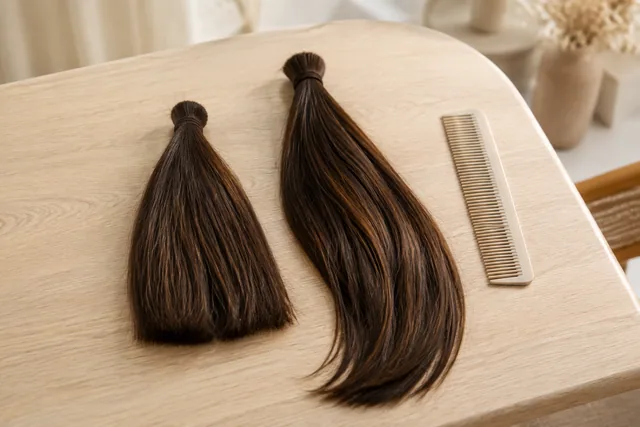
Extensions for volume or length: which goal suits you?
More fullness or extra length? Compare hair thickening and lengthening through your goals, existing hair and daily routine before advice in Klagenfurt.
Read article -
Putting extensions up: consider attachments and comfort
Putting extensions up every day? Consider loose shapes, attachment points and tension, with practical questions for your salon consultation in Klagenfurt.
Read article