
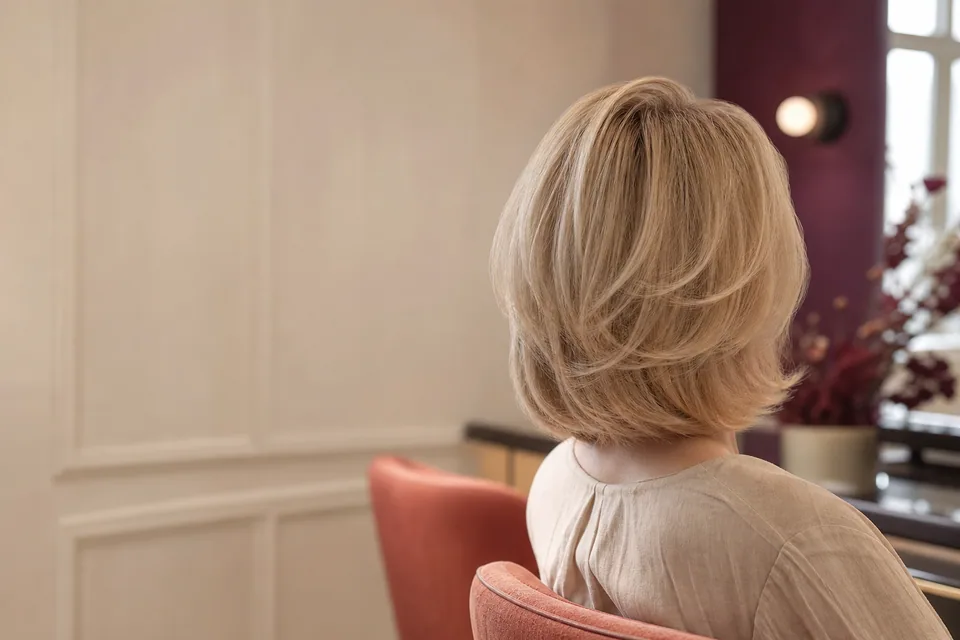
Fine hair refers to the diameter of each strand and does not automatically mean low density. A suitable cut and lightweight routine can make existing fullness more visible without unnecessarily weighing the hair down.
Choose cut lines deliberately
Compact outlines can make ends look more solid, while too many short layers may remove visual weight from fine lengths. The right balance depends on density, growth, length and the movement you want.
A fringe or shorter face-framing sections also alter distribution. Before cutting, clarify how the hair is normally worn and whether daily blow-drying is genuinely practical.
Treat roots and lengths differently
Conditioning belongs where the hair needs it; rich products directly at the roots may make volume collapse sooner. Small amounts can be added more easily than an excessive application can be removed.
Clarifying shampoo may occasionally help with heavy build-up, but it is not an everyday default. Frequency and formula should respect the scalp as well as coloured or chemically treated lengths.
Style with direction and little weight
The direction of blow-drying already affects lift at the roots and movement through the cut. Work in manageable sections with moderate heat and a brush suited to the length.
Mousse, root spray and texture products have different jobs. Choose one for the intended result and distribute it sparingly rather than layering several formulas.
View colour and fullness realistically
Thoughtful differences in brightness can visually emphasise movement but cannot increase the number of hairs. Any chemical service should therefore be weighed against condition and the care it will require.
A sudden noticeable reduction in density or unusually heavy shedding should be assessed medically. A salon can shape a suitable haircut but cannot diagnose the cause of that change.
Choose the cut before adding more products
A clear outline can make existing density more visible
Fine hair describes strand diameter, while density describes how many hairs are present; the two are not interchangeable. A compact perimeter can help ends look fuller, whereas many short layers may reduce the visible weight. The best shape depends on texture, growth pattern, desired length and the way you style.
A bob, shorter shape or carefully limited layering can all work, but no haircut creates new hair. We assess where movement supports volume and where retaining length is more useful. Unexplained or sudden loss of density should be medically assessed rather than treated as a styling issue.
Dry the roots before overworking the lengths
Direction and airflow create a dependable foundation
Remove excess water gently, apply any heat protection and begin at the roots with controlled airflow. Lift or direct sections opposite their usual fall where useful, then allow them to cool in position. This foundation often creates more practical volume than repeatedly curling or straightening the fragile ends.
Keep the dryer moving and use the lowest effective heat. Very high temperature and a brush held under strong tension can stress fine strands. Once the roots are dry, refine only the lengths that need it rather than continuing until every hair feels rigid.
Test products one at a time
More hold does not necessarily come from more layers
Volumising spray, mousse, texture spray, dry shampoo and hairspray each create a different effect. Choose one main need and start with a small amount, distributed evenly. Adding all products together can create residue, separate the ends and cause the roots to collapse sooner.
Observe the result through a normal day: whether the roots stay lifted, the scalp remains comfortable and the hair can still move. Change amount or placement before replacing the product. A repeatable routine makes it easier to see which step genuinely contributes.
Use colour as visual dimension, not a volume guarantee
Contrast and placement can support the shape
Selected highlights, lowlights or a soft root can create visual depth and movement. They do not permanently thicken individual strands. Colour also introduces chemical considerations, so the placement and frequency should match the hair condition and maintenance you want.
Fine hair does not automatically rule out lightening, but retaining depth and avoiding repeated overlap may be important. We plan colour with the cut so that brightness supports the outline. A strand test or staged approach may be appropriate when previous colour or fragility is present.
View volume realistically through the day
Weather, movement and touch alter every style
Humidity, hats, repeated hand contact, cycling and natural oil at the roots affect volume. A style that changes slightly is not a failure. Plan for a shape that still looks balanced when it settles rather than trying to keep maximum lift completely fixed.
A small comb, a gentle root refresh or changing the parting can be enough for later in the day. Avoid repeatedly adding dry shampoo or backcombing the same area. At your next appointment, describe where the shape collapsed first so that cut and styling guidance can be refined.
Frequently asked questions
Which haircut suits fine hair?
Defined outlines and carefully measured layers often help, but there is no universal cut. Density, growth, length and styling time determine the useful shape.
Does fine hair need no conditioner?
It still needs appropriate care. Lightweight products, correct placement and a modest quantity matter; lengths may need conditioning even when roots flatten quickly.
Can colour make fine hair thicker?
Colour may create visual texture and contrast but does not increase the number of hairs. Chemical stress and care requirements need individual consideration.
Do many layers always make fine hair look fuller?
No. Too many short layers can make the perimeter appear thin. The useful amount of movement depends on density, texture, length and the intended outline.
Can colour permanently thicken fine hair?
No. Colour can add visual dimension and may temporarily change surface feel, but it does not create permanently thicker strands or additional density.
Continue reading in the journal
Keep reading, at your own pace.
Four selected guides that explore related questions.
-
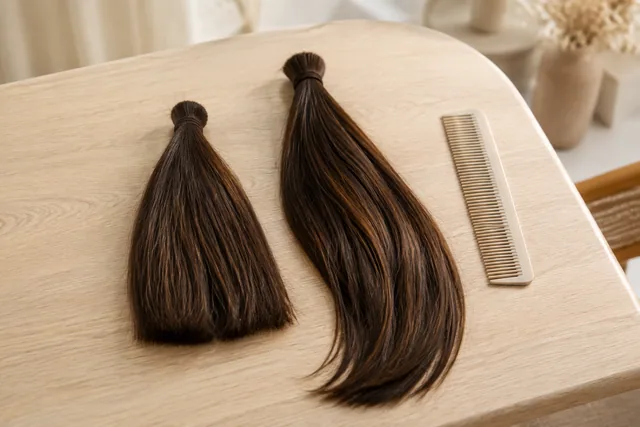
Extensions for volume or length: which goal suits you?
More fullness or extra length? Compare hair thickening and lengthening through your goals, existing hair and daily routine before advice in Klagenfurt.
Read article -
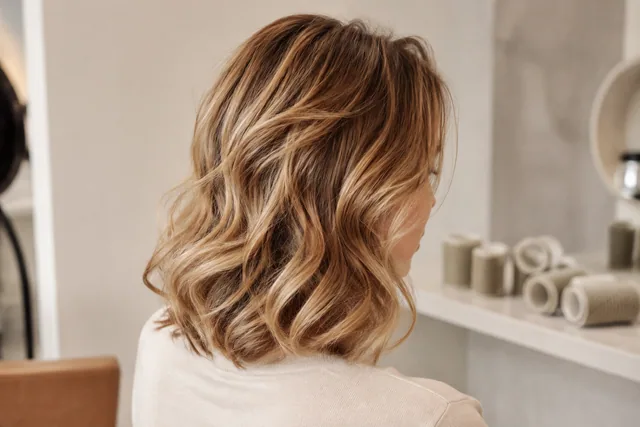
Volume wave or perm: define the shape you want first
Understand volume waves and perms by discussing movement, hair condition and upkeep before a consultation in Klagenfurt. Clear goals come first.
Read article -
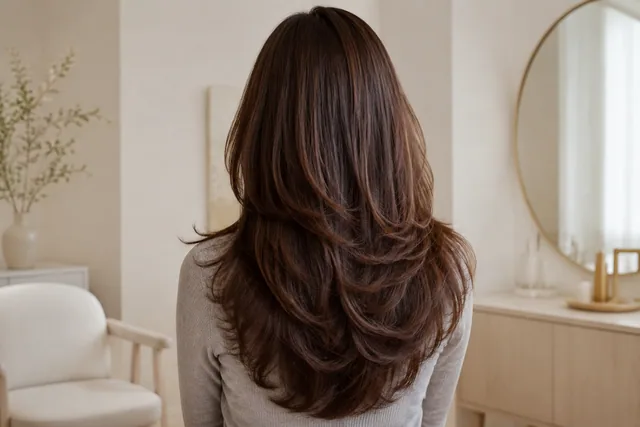
Layers for long hair: movement or a fuller-looking perimeter?
Plan layers in long hair by balancing movement, full-looking ends and face-framing sections. A practical guide to your haircut consultation in Klagenfurt.
Read article -
Gentle blow-drying: technique, heat and shape
Salon guidance for controlled blow-drying with heat protection, clear sectioning and practical methods for smooth, fine and curly hair.
Read article