

After sleeping, one curl still looks good while another lies flat or has lost its definition. Washing everything again is not always necessary. Spreading new product everywhere is not automatically helpful either. A useful refresh starts with a quick assessment: does a section need water, a little hold, gentle detangling or simply to be left alone? This lets you match the effort to the actual problem.
Identify what is missing before reaching for the mist
Look at roots and lengths separately. Flat roots do not mean every curl needs reshaping. One separated strand is different from sticky build-up throughout the hair. If the lengths still feel comfortable, intact areas can stay untouched. Some variation belongs to natural texture. Your goal need not be exactly the same arrangement that appeared immediately after the previous wash.
If there is unpleasant build-up, noticeable odour or an irritated scalp, adding more layers is not a convincing solution. Suitable cleansing may be more useful. Itching or discomfort should not be concealed with ever more scented or styling products. Notice whether the hair genuinely feels dry or simply feels different because several products are already coating it. That distinction helps determine whether further conditioning would be useful at all.
Dampen only the sections you want to change
If only a few curls have lost their shape, start with those areas using clean, lightly dampened hands. Distribute moisture gently and check the response before adding more water. With some styling products, that is enough to organise an existing shape; other sections may need a small new styling step. There is no universal amount of water that suits every texture and product.
If the hair is genuinely knotted, careful detangling matters more than simply scrunching it together. Wet the affected section sufficiently and use a suitable product for slip according to its directions. Work slowly from the ends with your fingers or an appropriate wide-toothed tool, rather than pulling through dry knots. A surface mist does not automatically make a firm tangle easy to comb. If you meet resistance, stop, divide the section and proceed gently again.
Add product only when it has an identifiable job
If a separated strand lacks hold, a small amount of your familiar styling product may help. If it already feels coated, adding more could be the opposite of what it needs. Spread the product sparingly through your hands first and work on a limited area. Observe whether the curl comes together or becomes heavier. This small test prevents an unsuitable dose from affecting the whole hairstyle at once.
Do not habitually combine several creams, oils and gels. Different formulas can distribute unevenly or leave visible residue. Conditioner is not automatically suitable as a leave-in either; follow its labelling. Homemade water-and-product mixtures should not be stored in a spray bottle for days. For a simple refresh, start with clean hands or fresh water and a product whose intended use you understand.
Interfere less while the hair dries
After dampening, the treated section needs time to keep its shape. Constant touching, separating and scrunching can repeatedly loosen the curl group. Choose the direction you want, then leave the strand alone where possible. If air-drying, allow the time that requires. Immediately putting a tight hat over damp sections can alter the movement you have just created.
If you use a diffuser, a controlled setting is more useful than maximum heat and airflow. Our gentle blow-drying guide explains the difference between temperature, airflow and shaping. Follow the appliance instructions too. A refresh does not require the same treatment as a complete wash: concentrate on drying the dampened areas and avoid unnecessary repetition over ends that are already dry.
Lift flat roots without creating tension
If only the upper sections lie flatter, there is no need to break up all the lengths. First try gently loosening the parting or lifting at the roots with your fingertips without running through the curl groups. Whether a little moisture helps depends on growth direction and the previous styling. Tying the hair up very tightly as a quick volume fix may create uncomfortable tension and introduce a new kink elsewhere.
Night-time preparation also influences the morning. Long curls can be loosely gathered if that position is comfortable and does not pull. For shorter shapes, a different sleeping arrangement or less friction may help more than forcing the hair into an overnight style. Pillowcases and bonnets are options, not requirements or guarantees. Check whether your chosen solution genuinely feels better. A routine is only useful if it is comfortable enough to maintain.
Let the second day teach you something about wash day
If the same section always causes trouble, revisit the original routine. Did that area receive little water or product? Does it stay damp longer during drying? Is it regularly flattened overnight? Change one factor first so you can identify its effect. A major daily rescue operation may suggest that the cut, product quantity or drying method is not well matched to how you prefer to wear your hair.
At a curl consultation, show how your hair looks between washes, not only a carefully styled reference. A personal photograph can help if the troublesome section behaves differently on appointment day. At Haarstudio Style in Klagenfurt, you can discuss observations about your cut and everyday care. Mention how much time you have available too. A brief, targeted refresh can be a sensible goal instead of rebuilding a complete curl routine every morning.
Frequently asked questions
Do I always need extra gel for a refresh?
No. If enough product remains in the hair, light dampening or targeted reshaping may suffice. Additional hold is useful only when it is genuinely missing. Test a small section before coating the entire head again.
Should I brush dry curls before refreshing them?
If you want to preserve curl groups, brushing everything dry is usually not the appropriate first step. When knots need releasing, wet the section sufficiently and detangle gently. Avoid pulling, taking account of your texture and suitable product and tool instructions.
When is washing better than refreshing?
If there is significant residue, scalp discomfort or an overall coated feeling, cleansing may be more appropriate. Persistent symptoms need assessment. A refresh is a styling aid; it replaces neither washing according to need nor medical advice.
Continue reading in the journal
Keep reading, at your own pace.
Four selected guides that explore related questions.
-
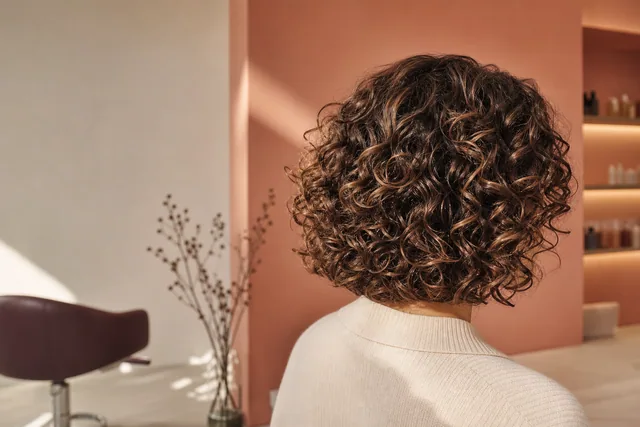
Curly haircuts in Klagenfurt: shape, bounce and real life
What makes a thoughtful curl cut: texture analysis, balanced shape, gentle care and realistic styling guidance.
Read article -
How to wash your hair properly: a routine for scalp and lengths
Detailed salon guidance on wash frequency, shampoo, conditioner, rinsing, drying and keeping your product selection manageable.
Read article -

Gentle blow-drying: technique, heat and shape
Salon guidance for controlled blow-drying with heat protection, clear sectioning and practical methods for smooth, fine and curly hair.
Read article -
Protecting long hair at night: care without a complicated ritual
Salon guidance on detangling, dry lengths, loose hairstyles, pillowcases and a realistic morning routine for long hair.
Read article