

Blonde is not one shade but an interaction of lightness, depth, reflect and placement. A thorough consultation therefore begins with colour history, hair condition and upkeep before deciding on a technique or target tone.
Assess the starting point honestly
Natural hair, coloured lengths and previously lightened sections do not respond in the same way. Dark cosmetic colour, plant dyes or straightening services can affect the route, making a complete history more useful than the name of the current shade alone.
We assess elasticity, porosity, density and visible stress. For a major change, a test strand may help estimate response and potential lightness without turning that information into a guarantee of the final result.
Choose a suitable technique and level
Classic highlights, fine babylights, balayage, on-scalp lightening and combinations create different transitions. The choice depends on whether you want maximum brightness, natural depth, soft regrowth or a precise and even canvas.
More lift generally brings more care and more visible regrowth. Sometimes beige or caramel blonde delivers the desired overall impression and is more realistic to maintain than the lightest reference image.
Judge the tone in appropriate light
Cool, neutral, pearl, beige and warm describe reflects rather than the lightness itself. Daylight, salon lighting and screens alter perception, so reference images are a conversation tool rather than an exact colour formula.
A toner can balance reflects after lightening and visually connect different sections. It gradually fades with washing and can be renewed between major blonde appointments when the brightness and placement still work.
Plan care and follow-up realistically
Gentle cleansing, conditioner, heat protection and careful handling when wet form the foundation. Specialist products may support a routine but cannot replace sensible styling or a trim when ends no longer feel structurally sound.
At Haarstudio Style in Klagenfurt we plan future root, tone and length care during the first consultation. This makes it possible to alternate consciously between full lightening, smaller face-frame appointments and toner-only refreshes.
Blonde begins with a complete inventory
Natural roots, coloured lengths and old lightening respond differently
We examine the current base and ask about permanent colour, toners, home dyes, plant-based products, bleaching and chemical straightening. Even old treatments can remain in the lengths. Uneven history can produce different lift, warmth and elasticity across the head, so complete information matters more than selecting a shade name.
A strand test may provide guidance for a major change, but it cannot guarantee every section. The responsible goal is based on what the hair can support today. If very light blonde is not realistic in one visit, we explain useful stages and the care and cost that belong to them.
Understand brightness and tone separately
Cool, beige and golden describe reflection, not the lightness level
Two blondes can be equally light yet appear very different because of their reflection. First, enough underlying lightness must be achieved for the chosen tone to be visible. A toner can refine warmth at an existing level but cannot provide unlimited lightening.
Photography and screen settings can confuse the discussion, so we identify which detail in a reference matters: brightness around the face, low contrast at the root, creamy lengths or a cooler reflection. We then translate that detail for your starting point and natural colouring.
Plan blonde and the haircut together
Placement can support density, outline and movement
Light sections draw attention. Their position can emphasise face framing, layers or the compact line of a bob. Fine hair may benefit from retained depth and selected brightness rather than uniform lightening, while dense hair may require a different distribution to keep the result balanced.
Worn ends can reduce the visual quality of blonde even when the tone is accurate. Discuss the cut before colour placement so that hair scheduled for removal is not processed unnecessarily and the finished highlights support the actual silhouette.
Use care and heat realistically
Cosmetic care improves handling but cannot replace intact structure
Lightened hair often needs careful detangling, suitable conditioning and controlled hot-tool use. Apply heat protection where appropriate and use the lowest effective temperature. Repeatedly passing a tool over one vulnerable section can matter more than adding another mask.
Bond-supporting and moisture-focused products serve different purposes and may complement one another, but more layers are not automatically better. We keep recommendations specific and explain quantity and frequency. Split or severely weakened ends may still need a suitable cut.
Plan refreshes and corrections
Not every appointment needs maximum lightening again
When placement still works, a gloss, root shadow, selected face frame or cut may be enough. This modular approach can avoid repeatedly processing already-light lengths. The useful interval depends on growth, tone, washing habits and how much contrast you enjoy.
If the result has become uneven or much warmer than intended, avoid stacking home pigments or bleach. A colour-correction consultation assesses the layers and establishes a realistic route. Corrective work is priced by time, materials and stages rather than as a standard refresh.
Frequently asked questions
Can I become very light blonde in one visit?
That depends on the natural level, colour history and condition. Several stages are often the more responsible route for a major change; consultation or a test strand improves the estimate.
Does lightening always damage hair?
Lightening changes the hair structure and therefore requires careful planning and aftercare. Technique, starting point and target level affect the stress, and a completely risk-free process cannot be promised.
How often should I use purple shampoo?
Use it only in response to actual warm reflects, not automatically at every wash. Excess use can make blonde look dull or uneven, so the suitable frequency is individual.
Can every dark colour become very light blonde?
Not always, and rarely with a responsible guarantee in one visit. Artificial pigment, previous services and hair condition determine the possible lift and whether stages are needed.
Why does lightened hair sometimes become warmer?
Toners fade, underlying pigment remains and sun, washing, water and porosity influence reflection. Warmth does not automatically mean that the original colour service failed.
Continue reading in the journal
Keep reading, at your own pace.
Four selected guides that explore related questions.
-
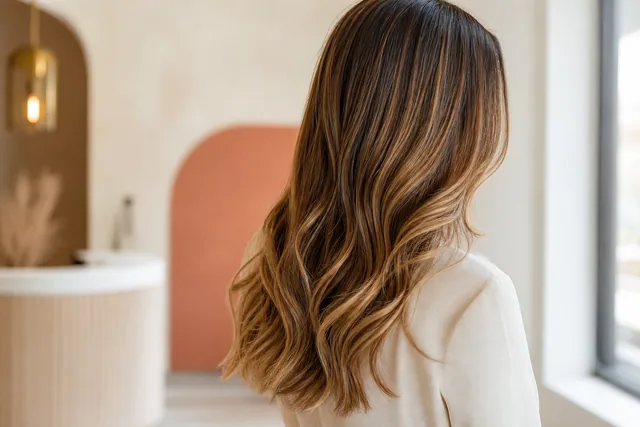
Balayage in Klagenfurt: naturally blended colour with a plan
A practical balayage guide covering consultation, shade choice, placement, care and realistic refresh intervals.
Read article -
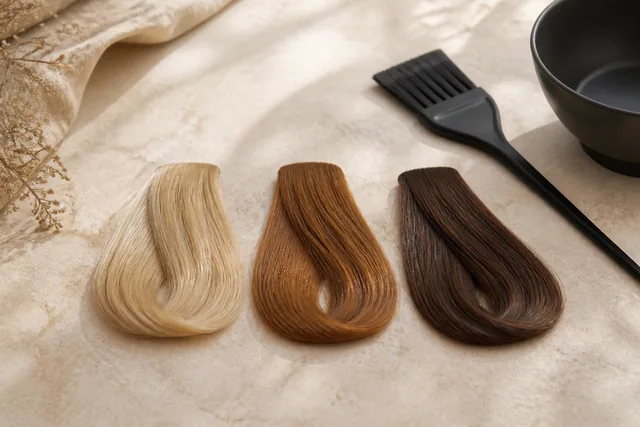
From blonde to brown: plan a darker hair colour deliberately
Colouring lightened hair brown: understand the starting point, plan your desired shade realistically and prepare for a considered change in the salon.
Read article -
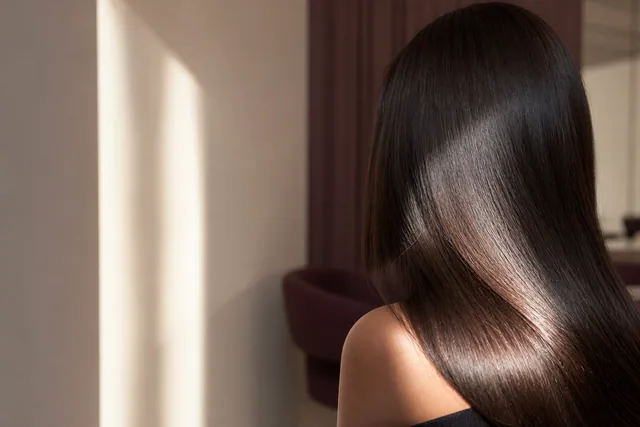
Hair glossing for added shine: what a toner can do
A clear guide to glossing on natural and coloured hair, including tone, limitations, care and refresh timing.
Read article -

Olaplex in the salon: what bond care can realistically do
A clear guide to using Olaplex with colour or care, setting sensible expectations and building a manageable home routine.
Read article