
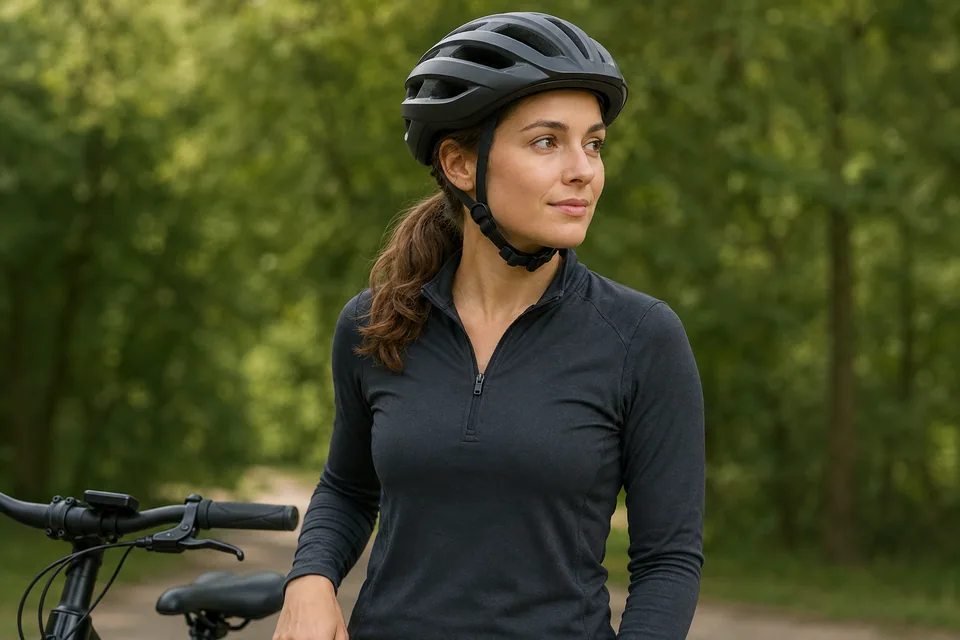
Cycling to work or walking across town asks more of a hairstyle than looking good in a calm salon photograph. A helmet changes its shape, movement rearranges individual sections, and afterwards there may be little time. A cut that is straightforward to put back in place is therefore useful. The protective function of the helmet always comes before a perfectly smooth hair surface.
Do not loosen a helmet to preserve your hairstyle
A cycling helmet must sit in its intended position and be adjusted correctly. If a high bun, large clip or voluminous section prevents that, change the hairstyle rather than reducing the helmet’s protection. Do not tilt it backwards to preserve a styled front section. Follow the instructions for your particular model when checking its position and adjustment.
Check the fit again when you change how you wear your hair. Some helmets have a specifically designed ponytail solution; others do not. That cannot become a universal instruction for every model. Ask a specialist retailer about anything unclear. A salon can consider your hair shape, but does not replace professional advice about the safety equipment itself.
Show the routine your haircut actually needs to suit
Explain how often you wear a helmet and what happens afterwards. Being able to shower at home differs from going straight to your desk after the ride. A cut that needs elaborate round-brush styling every day may not fit a routine with only a few spare minutes. Be realistic about what you can and want to do.
A photograph after an ordinary ride can help more than one taken immediately after styling. It shows flattened sections, areas that stick out and lengths that get in the way. Discuss which changes you want to correct easily yourself. An everyday shape need not remain identical after every movement; it should stay manageable for the way you live.
Secure longer hair without obstructive fastenings
Loosely gathering or plaiting longer hair can keep it organised during exercise. The position must not shift the helmet or press against its adjustment parts, however. Check the combination on your own model instead of copying someone else’s solution unquestioningly. Hard or bulky accessories at contact points can be uncomfortable and should not be forced into those areas.
Even without a helmet, a sports ponytail need not be painfully tight. If the scalp pulls, loosen the style or choose another fastening. Change a repeatedly stressed arrangement instead of tightening the same area further. Soft, suitable accessories and a manageable distribution of hair are more practical than trying to immobilise every short strand throughout an active day.
Short hair: work with direction rather than height
With short hair, volume on top may flatten while the sides stick out afterwards. Discuss whether more or less length in the affected section would make rearranging it easier. Very short does not automatically mean maintenance-free: a cowlick can become more obvious, and a close outline still needs a suitable overall shape.
A style you can rearrange in its natural growth direction may be helpful. Whether that means a side parting, softer texture or slightly longer top section is an individual decision. The goal is not hair that appears never to have been under a helmet, but a shape you can adjust quickly without rebuilding the whole hairstyle afterwards.
Give each product a clear purpose
A large amount of strong styling product does not reliably prevent a helmet from changing the hair. It may make rearranging it harder if the strands have already set in another direction. Consider whether you need a complete finish before the ride at all, or whether particular steps would be more useful afterwards.
Our guide to styling products and how to use them considers the purpose of each product. For your commute, that might mean a light application you can reshape later. The suitable amount and product type depend on your hair texture and intended result. An extra layer is not automatically an improvement, especially if the shape needs rearranging.
After removing the helmet, let hair settle before arranging it
Take a brief moment before judging the shape after your ride. If the hair feels damp, allowing some air through first and then arranging selected areas can help. Vigorous rubbing or immediate forceful brushing does not necessarily make it smoother. Gently loosen individual tangles instead of trying to pull straight through them from the roots.
A small correction may simply involve restoring the parting or lightly dampening and redirecting a section that sticks out. Curly hair needs a different approach from straight hair. Ask for a short sequence demonstrated on your own cut. A few understandable movements are more practical than a general list that takes too much time in the morning.
Coordinate washing with your actual exercise routine
Not every active day needs the same washing routine. Consider how your hair and scalp feel and whether dirt or product residue is present. Plan care around the actual conditions. A strict rule to wash after every movement, or always delay washing as long as possible, is not useful across the different demands of everyday life.
The helmet and washable equipment also need cleaning according to the manufacturer’s instructions. Do not use arbitrary cleaning products on padding, straps or the shell. Those questions concern equipment care, not haircare. If scalp symptoms persist, have the cause assessed medically rather than trying to resolve them solely by changing your styling product.
Carry a small practical kit, not a second styling station
Think about what you actually miss after the ride. A small comb is enough for some people; others need a suitable hair tie or a way to dampen one section lightly. Leave heavy accessories and unnecessary product quantities out. Test the routine on an ordinary day without pressure before relying on it for an important meeting or occasion.
Your active routine is a concrete part of the haircut discussion at Haarstudio Style in Klagenfurt. Explain which sections become difficult under a helmet and how much time you want to spend afterwards. That supports a wearable shape and a short refresh plan. Hair looking slightly different after movement remains normal; preventing every change need not be the goal.
Frequently asked questions
Should I loosen my helmet to keep the hairstyle in place?
No. Correct adjustment and the intended position take priority. If a hairstyle interferes with the fit, change the fastening and check the helmet according to its instructions. A specialist retailer can help if you are unsure.
Is a short haircut always easier for sport?
Not automatically. Growth direction, cowlicks and the adjustments needed afterwards matter too. The key is whether you can manage that particular shape yourself after activity.
Continue reading in the journal
Keep reading, at your own pace.
Four selected guides that explore related questions.
-

Choosing a men’s haircut: contours, texture and transitions
Which contours and transitions suit your haircut? Understand growth patterns, scissors, clippers and styling before a consultation in Klagenfurt.
Read article -
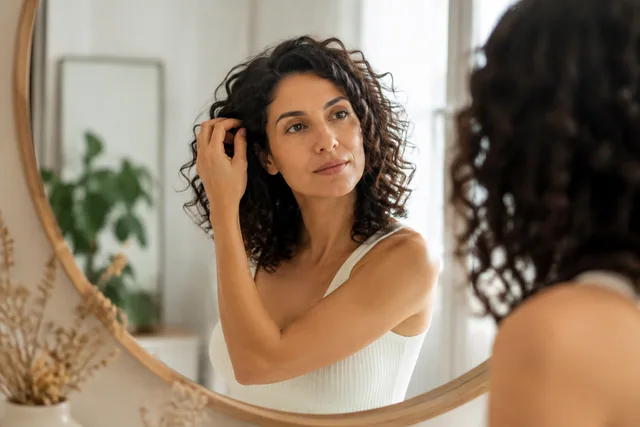
Refreshing second-day curls: do less and target what matters
Refresh second-day curls by distinguishing flat sections, frizz and product build-up. Practical steps and personal hair advice from Klagenfurt.
Read article -
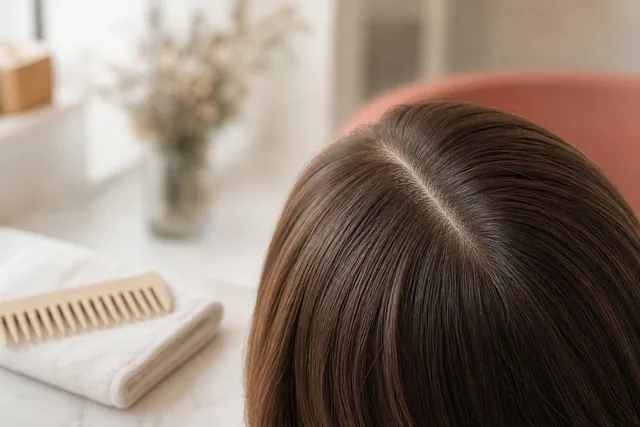
How to wash your hair properly: a routine for scalp and lengths
Detailed salon guidance on wash frequency, shampoo, conditioner, rinsing, drying and keeping your product selection manageable.
Read article -
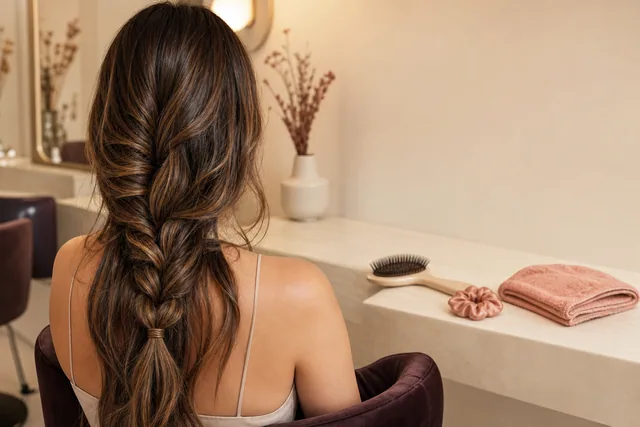
Protecting long hair at night: care without a complicated ritual
Salon guidance on detangling, dry lengths, loose hairstyles, pillowcases and a realistic morning routine for long hair.
Read article