
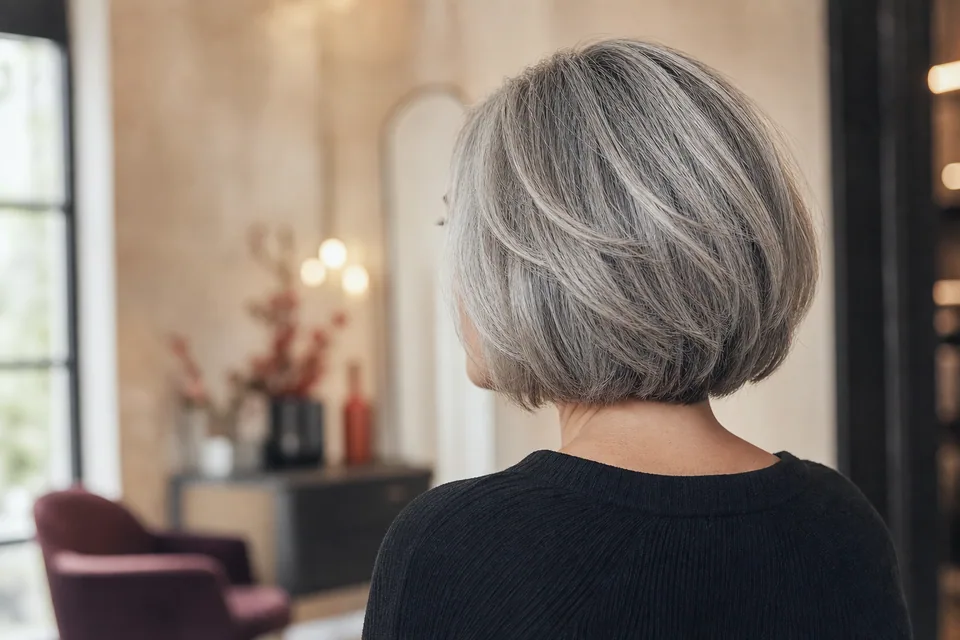
Grey hair does not have to be hidden or presented according to one fixed rule. Whether you want to grow into your natural colour, blend lighter sections or highlight individual silver strands, a good plan follows your pace, starting colour and personal style.
Design a personal transition
A strong regrowth line is most visible when dense, darker colour meets naturally lighter or grey hair. Depending on the colour history, fine highlights, lowlights, a softer root formula or gradually shorter cuts can make the transition more balanced.
Old colour cannot always be removed evenly in one visit. Previously coloured lengths and natural silver respond differently, so at Haarstudio Style in Klagenfurt we discuss realistic stages, upkeep and how visible you are comfortable allowing the transition to be.
Use the cut to support the new colour
Silver and pigmented strands can have different textures beside each other. A clear outline makes the mixture look intentional, while thoughtful layers can create movement; density, natural fall and daily styling time determine the right balance.
A modern result is not tied to one length. A pixie, bob, soft mid-length or long hair can all feel current when proportions, finish and personality work together.
Manage shine and tone carefully
White and grey lengths often show deposits or warm reflects more clearly. Thorough but non-aggressive cleansing, suitable conditioning and protection from excessive heat help the surface look smoother and reflect light.
Silver products only optically balance warmth and should be used with restraint. Applied too often or for too long, they may appear violet, dull or uneven; a professional toner offers more control when the right dose is unclear.
Colour remains a personal choice
Wearing natural grey is not an obligation, just as regular colouring is not. Some people want full silver, others a soft blend or their familiar shade; each route can look polished and coherent.
Bring examples of the brightness and contrast you like. Together we can create a transparent plan for appointments, home care and transition stages without presenting one result as the only correct option.
The transition can look individual
Grow it out, blend it or choose deliberate contrast
There is no single correct route from coloured hair to visible grey. Some people prefer a gradual blend with selected lighter or darker sections; others keep a clear line and cut out the old colour over time. The suitable approach depends on the starting shade, existing colour, hair condition, desired pace and maintenance.
Dark artificial colour cannot simply become silver without technical work and possible stages. Lightening may reveal warmth and place stress on the hair. We explain what can responsibly be achieved, whether a strand test is useful and which intermediate result would still feel intentional.
Silver, white and grey are not one colour
Natural pigment, light and neighbouring shades alter perception
Grey hair is a mixture of pigmented and unpigmented strands, and the ratio varies across the head. A white temple, salt-and-pepper crown and darker nape can all occur together. Lighting and the colour of clothing or skin nearby also influence whether the overall effect appears cool, soft or warm.
A toner or gloss may refine a reflection on suitable hair but cannot create the same response in every strand. Porous lengths may take pigment more strongly. We choose tone conservatively and assess it in realistic light rather than chasing an artificial, identical silver across naturally varied hair.
A precise cut frames the colour
Shape and surface influence the modern overall impression
Visible grey can look deliberate in many lengths when the outline and movement are well planned. A crisp short cut, structured bob or maintained long shape each creates a different frame. The choice follows your texture, growth pattern and routine rather than an age-based rule.
Worn ends and an unclear silhouette can distract from the colour, while excessive layering is not automatically the solution. We decide where density should remain and where movement helps. A repeatable drying or air-drying routine supports the chosen finish.
Shine comes from several small steps
Aim for a smoother surface, not unrealistic mirror-shine promises
Light hair can show dryness, mineral residue and environmental discolouration more visibly. Gentle cleansing, suitable conditioning, controlled heat and occasional clarification where appropriate can support a cleaner surface. The routine must still suit the scalp and texture.
Silver shampoo is optional, not compulsory. Pigmented products can reduce some yellow reflection but may leave porous areas violet or dull when overused. Begin sparingly and stop if the result no longer looks balanced. A salon gloss is also a tonal service, not a repair for damaged ends.
The person in the chair makes the decision
Advice without age rules or pressure to justify your choice
Choosing to show, blend or cover grey hair is personal. None of these choices is more authentic or appropriate by default. Our role is to explain the maintenance, technical steps and realistic development so that you can choose what feels right.
Your preference may change. You can begin with softer root contrast, pause colour or return to coverage after trying a transition. A flexible plan responds to your current goal and hair condition without attaching a judgement to the colour itself.
Frequently asked questions
How can I soften a strong grey regrowth line?
Fine highlights or lowlights, a less dense root colour and progressive cuts are possible approaches. The best method depends on your natural shade, colour history and preferred pace.
Why can grey hair look yellow?
Warm reflects may become more visible through deposits, heat, environmental exposure or product residue. Adjusted cleansing and restrained tone care can help; marked changes should be assessed individually.
Does grey hair need to be short?
No. Length is a matter of style and care. A supportive shape, maintained ends and a routine suited to the texture and available styling time are more important.
Can dark coloured hair become silver-grey immediately?
Usually not responsibly. Artificial dark pigment may need staged removal or lightening, and the result depends on colour history and hair condition. Warm intermediate tones are common.
Does grey hair have to be cared for with silver shampoo?
No. Use a pigmented shampoo only when the reflection calls for it and the product suits the hair. Gentle cleansing, conditioning and heat control remain more universal basics.
Continue reading in the journal
Keep reading, at your own pace.
Four selected guides that explore related questions.
-
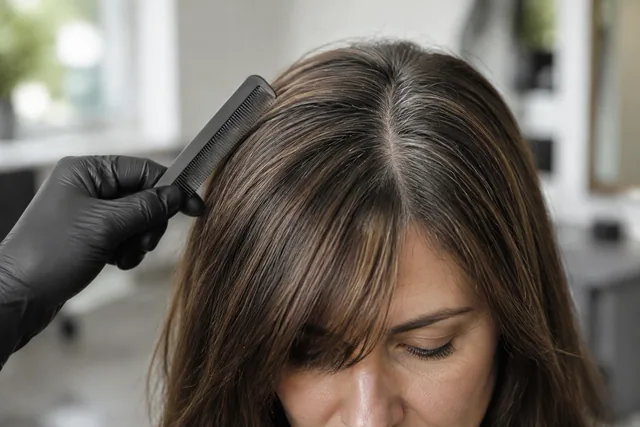
Root colour or highlights: which colour plan suits you?
Blend roots, add lighter accents or blend grey naturally: choose a colour plan that suits your hair, preferred contrast and everyday life in Klagenfurt.
Read article -
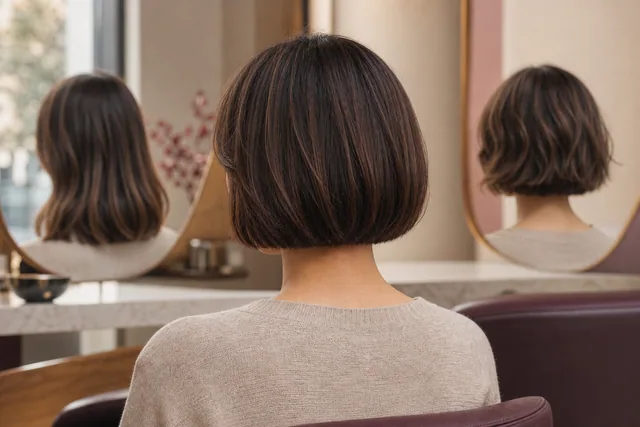
Bob hairstyles: which shape suits your hair and routine?
From chin-length bob to lob: how length, outline, texture, fringe and styling time shape the right choice.
Read article -
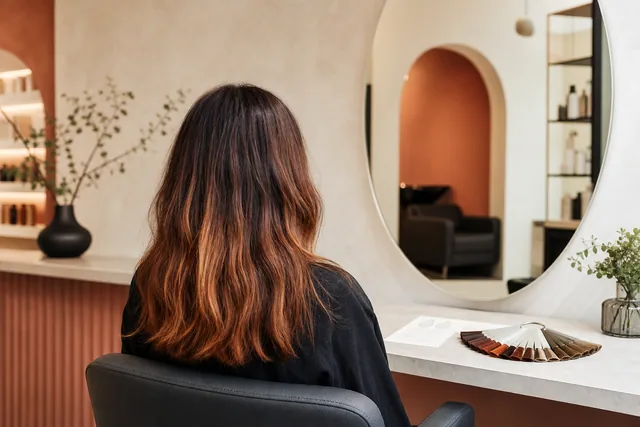
Colour correction in Klagenfurt: rebuilding colour with control
An honest guide to colour history, strand testing, staged work and care during professional colour correction.
Read article -
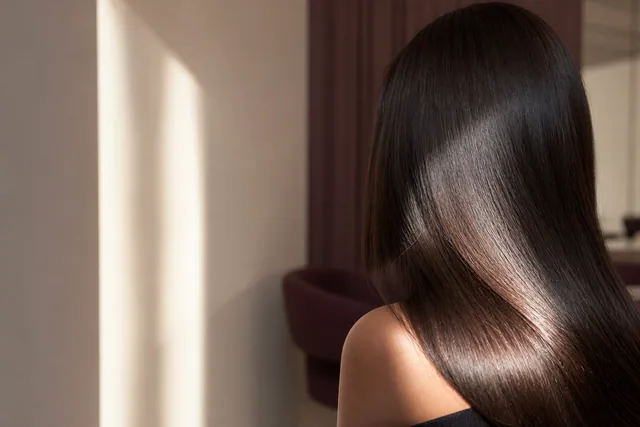
Hair glossing for added shine: what a toner can do
A clear guide to glossing on natural and coloured hair, including tone, limitations, care and refresh timing.
Read article